
















For decades, “Mah Na Mah Na” has been a staple of pop culture, instantly recognizable for its playful chorus and infectious call-and-response. Most people associate it with the Muppets, Sesame Street, or viral clips online, but its origins are far more unexpected.
The song was originally composed by Italian musician Piero Umiliani for the 1968 Italian-Swedish film Svezia, inferno e paradiso (Heaven & Hell), an adult documentary exploring the sexual mores of Sweden. In the film, “Mah Na Mah Na” plays during a scene featuring women in a bathhouse, giving the tune a decidedly risqué context. The scat vocal in the original was performed by Alessandro Alessandroni, who is also famous for his work on Ennio Morricone’s iconic spaghetti western soundtracks.
Despite its adult-themed debut, the song quickly transcended its origins. Giorgio Moroder released a cover in 1968, and the Dave Pell Singers soon followed. Its first brush with children’s entertainment came in 1969 when Sesame Street introduced the song in a skit featuring the beatnik character Bip Bippadotta (voiced by Jim Henson) and two Anything Muppet girls. That same year, it appeared on The Ed Sullivan Show and The Red Skelton Show, and in the early 1970s, The Benny Hill Show used the tune for comedic effect.
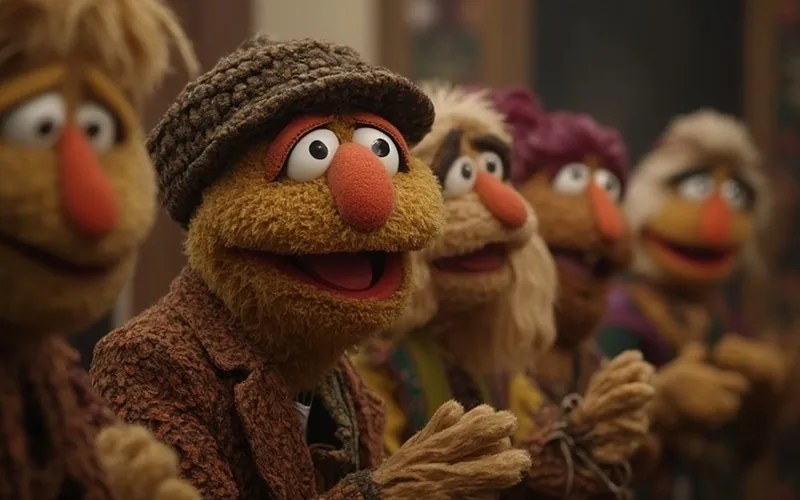
“Mah Na Mah Na” became a phenomenon in 1976 with The Muppet Show, where it was immortalized by the shaggy, sunglasses-wearing Mahna Mahna and the pink, cow-nosed Snowths. The skit’s humor, energetic delivery, and interactive format helped cement the song’s reputation as a beloved pop culture oddity.
Today, “Mah Na Mah Na” endures thanks to its catchy, nonsensical lyrics, and participatory rhythm, which make it irresistible to audiences of all ages. Its journey from European exploitation cinema to children’s television is a testament to the unpredictable ways pop culture can evolve and endure.