



















Boring Co. President Steve Davis announced that the company’s Vegas Loop project is slated for further expansion early next year, describing it as the largest infrastructure project in the nation. During a recent live chat on X, Davis shared updates on the project’s progress, upcoming milestones, and long-term ambitions.
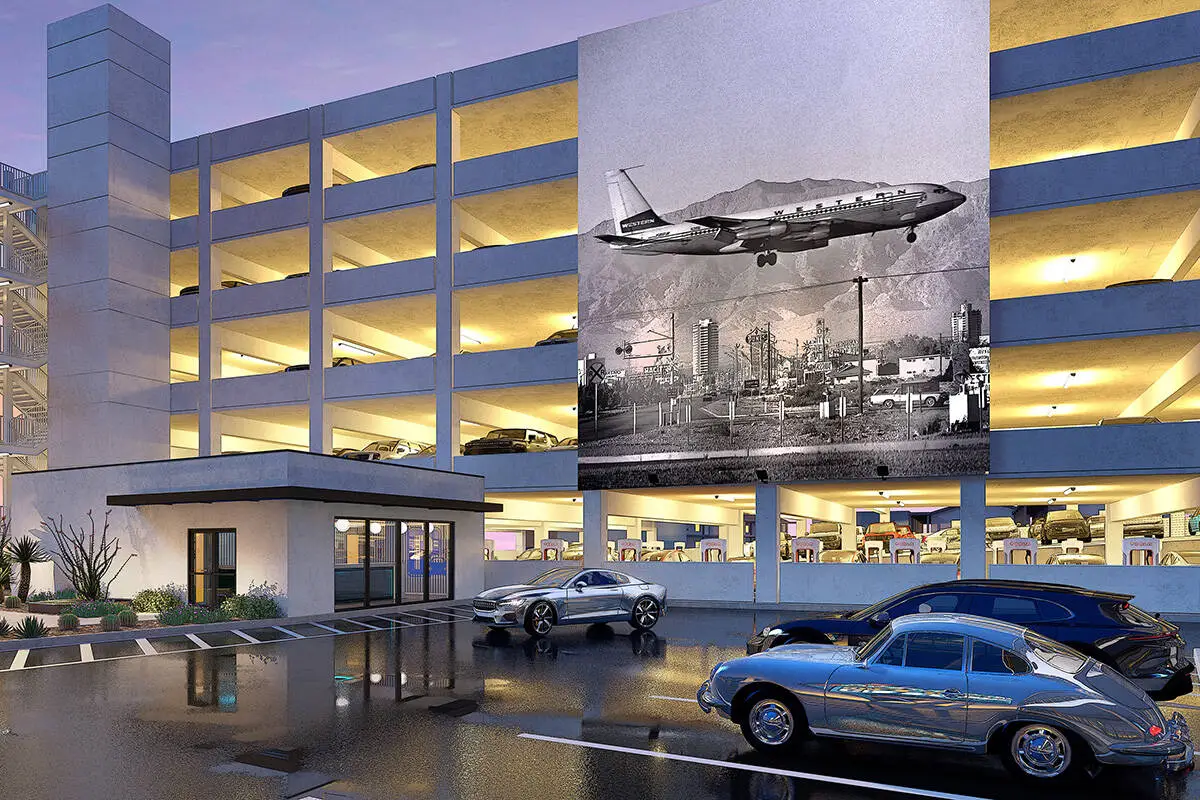
Current Status and Expansion Plans The Vegas Loop currently has over 10 miles of tunnels dug, with 4 miles operational. The next major step is opening the University Center Loop, which will include the first station serving Harry Reid International Airport. Boring Co. has two sites near the airport: 4744 Paradise Road (across from UNLV’s Thomas & Mack Center) and 5032 Palo Verde Road. Last month, the Nevada Transportation Authority approved limited surface rides to and from the airport, which will require a separate fee and must include a segment of the trip in the Vegas Loop.
Airport rides are expected to begin in the first quarter of 2026, pending permitting from the Clark County Department of Aviation. The process involves documentation review, insurance verification, and coordination with regulatory requirements.
Capacity and Ridership Once the airport line opens, the Vegas Loop is projected to handle 17,000 to 20,000 people per hour. When fully built out—with 68 miles of tunnels and 104 stations—capacity could reach 90,000 people per hour. The full build-out will connect dozens of stops along the Strip, downtown Las Vegas, Chinatown, Allegiant Stadium, and other key locations.
The University Center Loop, under construction, will run from 4744 Paradise Road to the Westgate, with 11 planned stops. Since opening in 2021, about 3.5 million people have ridden the Vegas Loop, which uses Tesla vehicles for point-to-point underground transport. Unlike the Las Vegas Monorail, the Loop transports passengers directly between their selected origin and destination without intermediate stops, significantly reducing travel times.
Permitting and Oversight To reach full build-out, Boring Co. will need 300 to 400 permits. Davis emphasized the intense oversight involved, with frequent inspections by stakeholders, internal inspectors, and local authorities. However, the project has faced multiple citations for building and environmental violations.
Automation and Operations The Vegas Loop now features full self-driving vehicles (with a safety driver for now), and the company plans to offer a mix of autonomous and human-driven rides. The goal is to eventually operate fully driverless vehicles.
Tunneling Costs Current tunneling costs are about $10 million per mile. Davis compared this favorably to US subway tunnels, which can cost $900 million to $5 billion per mile. Boring Co. aims to reduce costs to $3–4 million per mile within two to five years, particularly with the upcoming Prufrock 6 boring machine.
Fire Safety Fire safety has been a significant concern and reason for some station delays. The Vegas Loop conducts weekly safety drills with local firefighters and police. In case of a fire, there are multiple access points, specialized rescue vehicles, and water standpipes every 150 feet. The system is designed for rapid evacuation and smoke ventilation.
Summary Boring Co.’s Vegas Loop is poised for significant expansion in 2025 and beyond, with airport service, increased capacity, and ongoing technological improvements. While the project faces regulatory hurdles and high scrutiny, its long-term goal is to create a high-capacity, point-to-point underground transportation network throughout Las Vegas.