





















The morning of Martin Luther King Jr. Day in 2026 began with a quiet kind of hope.
In cities and small towns across the country, the day did not open with fireworks or parades alone, but with people stepping outside earlier than usual. In Atlanta, the winter air carried the sound of church bells and soft gospel music drifting from open doors. In Oakland, volunteers tied purple and gold ribbons to chain link fences around community gardens. In a rural town in Mississippi, a high school band practiced under a gray sky, their notes uneven but determined.
What made the 2026 celebrations different was not their size, but their intention.
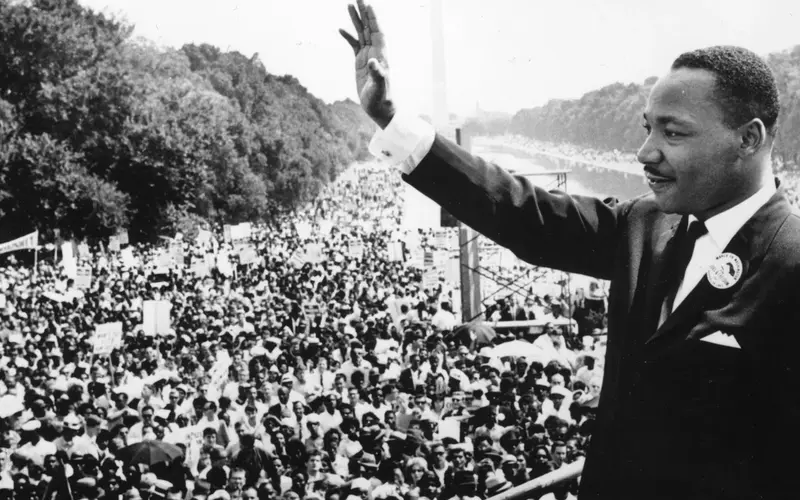
At community centers across the nation, groups of people gathered around tables with decorations. Marches were held across the country. “The dream is not finished.” signs were seen across the nation. MLK marched in the 1960s.
In Washington, D.C., families walked the familiar route toward the memorial. Children traced the carved words with their fingers, asking parents what “injustice” meant, what “justice” meant, and why both were still being discussed. Parents answered honestly, sometimes awkwardly, sometimes with silence, sometimes with stories.
By midday, service projects filled the hours. In Los Angeles, murals were repainted with new faces added alongside old ones. In Detroit, neighbors repaired a playground that had been broken for years. In New Orleans, musicians played on street corners, turning service into celebration, turning work into song.
That evening, candles appeared in windows.
Some burned in memory. Some burned in protest. Some burned simply to remind people to pause.
In a small apartment, a child asked her grandmother why they celebrated Martin Luther King Jr. every year. The grandmother thought for a moment and said, “Because he believed love could be organized. And every year, we’re checking to see if we’re brave enough to keep organizing it.”