
























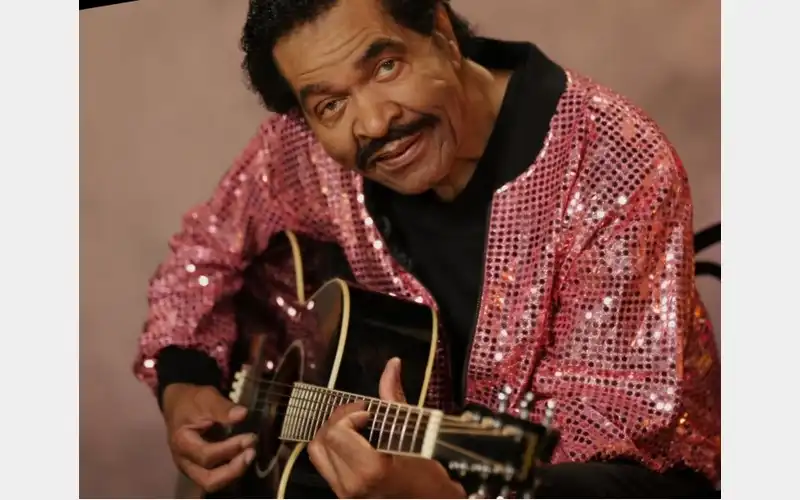
The small theater buzzed with anticipation as the opening credits rolled. The documentary, King of the Chitlin’ Circuit, was finally making its debut, chronicling the life of Bobby Rush, a man whose name had been whispered in smoky clubs and legendary venues across the American South for decades.
The film began in a dimly lit juke joint in Mississippi, the air thick with the scent of fried chicken and sweet tea. Young Bobby was just a boy, listening wide-eyed as traveling musicians played slide guitar and harmonica, their music spilling out like magic into the dusty streets. The documentary used old photographs, home videos, and interviews with contemporaries to paint a vivid picture: this was a world of struggle, of resilience, and of raw talent thriving in the shadows of mainstream recognition.
Narration guided viewers through the “Chitlin’ Circuit,” the network of venues where Black performers could play safely during the era of segregation. There were tales of long bus rides, broken-down instruments, and hotel rooms that didn’t welcome Black musicians. Yet, in these spaces, Bobby and his peers built something extraordinary—a cultural heartbeat that would influence generations of music.
One of the most striking scenes showed Bobby on stage in a packed club, his voice gravelly yet electrifying. The camera captured the audience: dancing, clapping, laughing. An elderly fan whispered to the filmmaker, “This is where the soul of America lives. Right here.” The documentary cut between this performance and archival footage of legends like James Brown and Etta James, emphasizing how the Chitlin’ Circuit had nurtured icons who would later shape global music.
Behind the music, the film also explored Bobby’s personal journey. He had battled poverty, systemic racism, and moments of doubt, yet his spirit never broke. Interviews with his children and fellow musicians revealed the humor, generosity, and ingenuity that earned him the affectionate title of “King.”
By the final scene, the documentary circles back to that first juke joint. Bobby, now older, plays his signature tune as the camera pans across faces young and old, Black and white, all moved by the same rhythm that once filled dusty streets. The narration closes softly: “The Chitlin’ Circuit was more than a path for music—it was a testament to survival, joy, and the power of keeping the music alive.”
As the credits rolled, the audience sat in awe, many wiping tears from their eyes. They had not only witnessed a story of music but a story of resilience, community, and an undying love for the art that gave a name to a legend: the King of the Chitlin’ Circuit.